
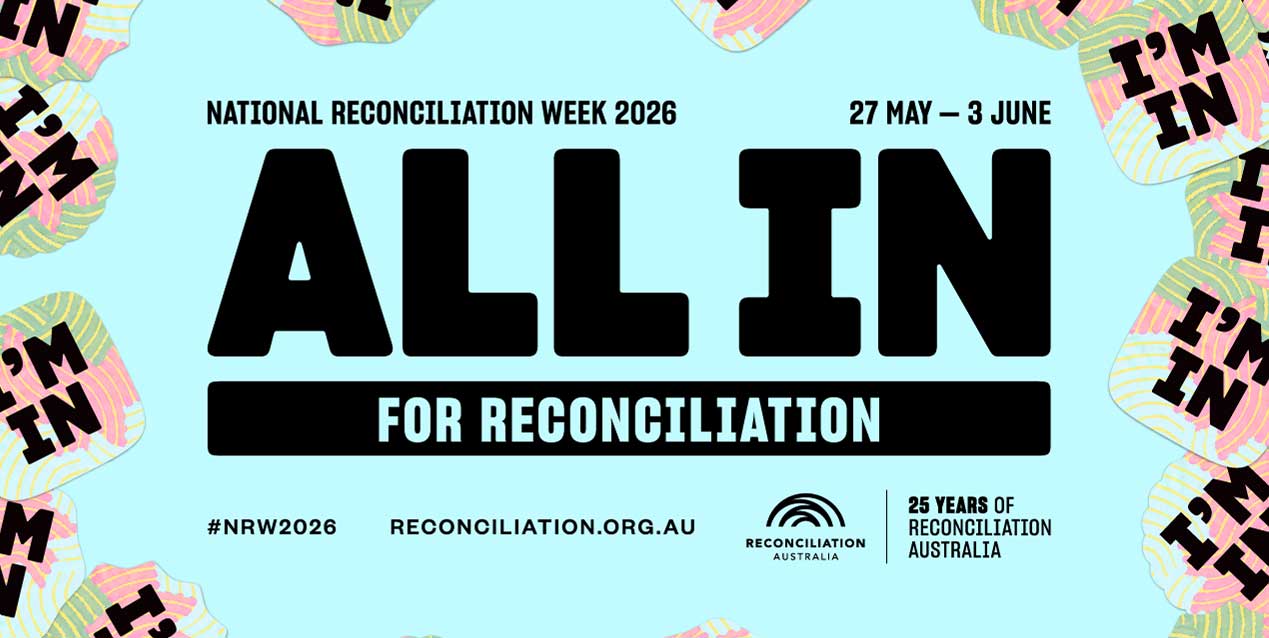
The year 2026 marks a profound milestone in our nation's journey of healing and remembrance. On 29 May, during National Reconciliation Week, communities across Australia gathered to honour the service and sacrifice of Aboriginal and Torres Strait Islander veterans.
From the 20th Anniversary of the Aboriginal and Torres Strait Islander Veterans Commemoration Service at Sydney’s Anzac Memorial to solemn gatherings at the Torrens Parade Ground in Adelaide, we paused to reflect on a legacy of courage that transcended racial divides.
For the Military Ordinariate of Australia, this season of commemoration invites a deep reflection on our unique mission. As we honour Indigenous servicemen and servicewomen, we also recognize the vital, enduring role of veteran chaplains. These spiritual leaders have walked alongside our First Nations personnel, providing pastoral care, fostering reconciliation, and ensuring that no service member carries the wounds of war alone.
A Shared History of Healing
Historically, Indigenous Australians faced systemic barriers at home, yet they volunteered in every major conflict from the Boer War to modern peacekeeping operations. On the battlefield, country and background faded behind a shared duty. In those foxholes, ships, and airfields, military chaplains stood as pillars of universal comfort.
Veteran chaplains—many of whom deployed into combat zones themselves—understand the unique spiritual and psychological weight of military life. For Indigenous personnel, who often carried the dual burden of fighting for a country that did not yet fully recognize them, chaplains provided a sanctuary. They offered an open ear, a shared prayer, and a reminder of every individual's inherent dignity before God.
Pastoral Care as a Bridge to Reconciliation
In the contemporary era, the work of veteran chaplains has evolved into a vital mechanism for reconciliation. Chaplains are uniquely positioned to bridge cultural divides within the Australian Defence Force (ADF). By fostering environments where Indigenous spirituality and Christian faith can meet in mutual respect, chaplains help heal historical wounds.
Veteran chaplains bring lived military experience to their pastoral work, allowing them to support Indigenous veterans navigating life after service. Whether addressing the moral injuries of combat or assisting with the transition back to community and Country, these chaplains offer a holistic form of care that integrates mind, body, and spirit.
Looking Forward: A Call to Spiritual Companionship
As we reflect on the 2026 commemorations, the Military Ordinariate remains committed to deepening its relationship with First Nations veterans. The example set by our veteran chaplains—of presence, humility, and steadfast faith—serves as our roadmap.
We pray for all Aboriginal and Torres Strait Islander veterans who have served our nation, and we commit to walking alongside them. Through the continued dedication of our chaplains, we ensure that the Catholic Church in the ADF remains a place of profound welcome, healing, and spiritual home for all who serve.